Weekend at the Masters de Feu: what to visit in Compiègne on 21 and 22 September 2019?
On 21 and 22 September 2019, Compiègne brought together two exceptional occasions: the Grand Final of the Masters de Feu and the European Heritage Days. Imperial château, museums, forest, memory, and escapes in the Oise: here are the key ideas for planning a full weekend around the show.
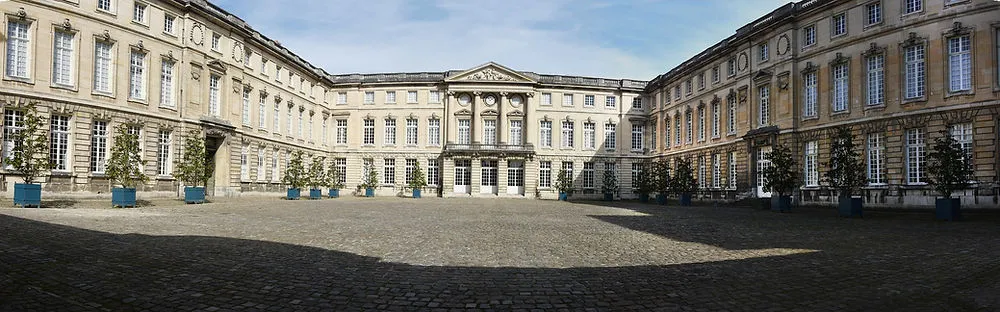
On Saturday, 21 September 2019, Compiègne had a date with the sky. At the racecourse, the Grande Finale of Masters de Feu promised an evening of high intensity, set to the theme of the “Great Classics” and crowned by the awarding of the Gold Master. But that weekend offered something else too: the chance to discover, on Saturday 21 and Sunday 22 September, the treasures of the imperial city during the European Heritage Days. For visitors from Paris, Hauts-de-France or further afield, the event became far more than a pyrotechnic evening: a true cultural escape, between château, museums, state forest, memorial sites and villages with character.
Saturday evening: the Grande Finale of Masters de Feu at the racecourse
The highlight of the weekend, the evening of 21 September 2019 brought together in Compiègne the pyrotechnicians who had won previous editions, each defending their vision of the musical fireworks show. The challenge was clear: win over the jury, captivate the audience and claim the Gold Master. On the racecourse, an expansive, open setting, the successive creations revealed what makes Masters de Feu unique: precise visual writing, a soundtrack conceived as drama, and a rising intensity capable of turning the night into a monumental stage.
The imposed theme, “The Great Classics”, invited the teams to work with instantly evocative material: famous melodies, cinema memories, major orchestral works or popular references. For the audience, it meant a readable, generous, unifying show. For the pyrotechnicians, it was a demanding exercise: not merely illustrating the music, but translating it into volumes, colours, rhythms, silences and contrasts. At both the opening and the closing, non-competitive sequences framed the evening and gave the whole event a gala feel.
An ideal weekend thanks to the European Heritage Days
The timing could hardly have been better. Masters de Feu fell on the same weekend as the 2019 European Heritage Days, held in France on 21 and 22 September around the theme “Arts and entertainment”. For Compiègne, a city of court life, hunting, imperial leisure and collections, the theme resonated naturally. Visitors could therefore spend Saturday discovering the city, enjoy the major pyrotechnic show in the evening, then extend the experience on Sunday with slower, more heritage-focused visits to museums or into the forest.
This combination is one of the great strengths of a stay in Compiègne: everything is close, yet nothing feels monotonous. Within a few hours, you can move from a royal and imperial palace to a historic forest, from an art and archaeology museum to a major site of national memory. For families, couples or groups of friends, the weekend could therefore be tailored to suit: an urban walk, a museum visit, an outdoor stroll, lunch in the city centre, then back to the racecourse for the evening.
The Château de Compiègne, an essential first stop
It is impossible to speak of Compiègne without beginning with its château. Once a royal and then imperial residence, it is among the great French palaces associated with court life. Its historic apartments tell as much about protocol as about the private lives of sovereigns: richly furnished salons, ceremonial décor, views over the park and memories of both the First and Second Empires. The visit reveals the city’s special relationship with the forest and with power, as Compiègne long served as a favoured place of residence and hunting.
The château is also home to several museums, including the Second Empire Museum, the Empress’s Museum and the remarkable National Carriage Museum. The latter deserves particular attention during a weekend devoted to arts and entertainment: horse-drawn carriages, sledges, bicycles, early automobiles and travel-related objects create a fascinating history of mobility. It reflects the elegance of entourages, the technical ingenuity of the first cars and an entire imagination of movement, prestige and modernity.
The city museums: art, archaeology and Compiègne curiosities
A short walk from the shopping streets, the Antoine Vivenel Museum offers another side of Compiègne. Born from the bequest of a 19th-century collector, this art and archaeology museum brings together works and objects spanning a very long period, from prehistory to the 19th century. Visitors encounter Mediterranean antiquities, medieval pieces, paintings, sculptures, decorative arts and Asian collections. It is an ideal visit for those who enjoy museums on a human scale, where you can move from one civilisation to another without losing the thread.
The city centre, meanwhile, is best discovered on foot. The town hall and its flamboyant Gothic façade, the old streets, lively squares and the banks of the Oise make for a pleasant stroll before or after a visit. For a weekend of spectacle, this urban dimension matters: it allows time to linger, to have lunch without going far, to return to your accommodation, then head back to the racecourse in good time. Compiègne is not merely the setting for Masters de Feu; it is a city that adds depth to the experience.
The Compiègne Forest, a deep breath for the stay
On Sunday morning, after the luminous intensity of the previous night, the Compiègne Forest offers the perfect counterpoint. A vast state forest, it has been linked for centuries to royal and imperial history. Its forest roads, crossroads, stands of trees and long perspectives invite walking, cycling or simply a quiet pause in the open air. For visitors spending two days in the Oise, it is a chance to find calm, open the gaze and appreciate just how closely Compiègne lives with its forest, almost as much as with its château.
This escape can remain wonderfully simple: a short walk, a family loop, a photo stop, a moment outdoors before setting off again. Or it can become a full half-day of discovery, especially when combined with certain historic sites or a continuation towards Pierrefonds. In all cases, it is wise to wear comfortable shoes, allow for travel time and check the opening conditions of the chosen sites, especially during the European Heritage Days, when visitor numbers can change the usual pace.
The Armistice Clearing, memory in the heart of the woods
Deep in the forest, the Armistice Clearing introduces a change of tone. It is one of France’s major memorial sites: the armistice of 11 November 1918 was signed here, as was that of 22 June 1940. The site, with its memorial and its reference to the railway carriage, reminds visitors of Compiègne’s singular place in 20th-century European history. After an evening devoted to celebration, collective emotion and the beauty of fire, this visit brings a different depth: more solemn, but essential.
The Clearing is particularly well suited to a Sunday visit, in the silence of the trees. It places the weekend within a broader geography: that of a territory marked by the First World War, reconstruction, remembrance and transmission. For families with teenagers, it is also a useful, tangible stop that gives life to the dates learned in history books.
Pierrefonds, a spectacular escape on the edge of the forest
For those with a little more time, the Château de Pierrefonds is a spectacular extension of the stay. Situated on the edge of the Compiègne Forest, this monument restored in the 19th century under the influence of Viollet-le-Duc impresses with the silhouette of an ideal fortress: towers, curtain walls, inner courtyard, sculpted décor and the atmosphere of a medieval novel. It is a visit that complements Compiègne perfectly: after the imperial palace, the neo-Gothic dream; after the city, the village; after the pyrotechnics, monumental stone.
Pierrefonds also charms with its setting. You can stroll around the lake, stop for a coffee, photograph the château from the village, then return to Compiègne or continue through the Oise. For a well-paced weekend, the ideal is not to overfill the programme: choose two major visits, leave time for travel and keep some room for rest before the Masters de Feu evening.
How to plan your two-day programme
For a balanced stay, Saturday can begin with arrival in Compiègne, followed by a visit to the château and lunch in the city centre. In the afternoon, an urban walk or a museum visit keeps the pace comfortable before heading to the racecourse. In the evening, it is time for the Grande Finale: arrive early, identify access points, dress appropriately for a September evening and pay attention to organisational instructions for a smooth experience.
On Sunday, two options emerge. The first focuses on Compiègne: the Antoine Vivenel Museum, the château grounds, the banks of the Oise and a gentle walk. The second opens outwards: the forest, the Armistice Clearing or Pierrefonds. In both cases, the spirit remains the same: to extend the emotion of the show through immersion in a territory that is rich, elegant and deeply French. Masters de Feu offers the night in all its majesty; Compiègne and its surroundings give the weekend its memory, its contours and its art of living.